Top Benefits and Features of Flexible Cables
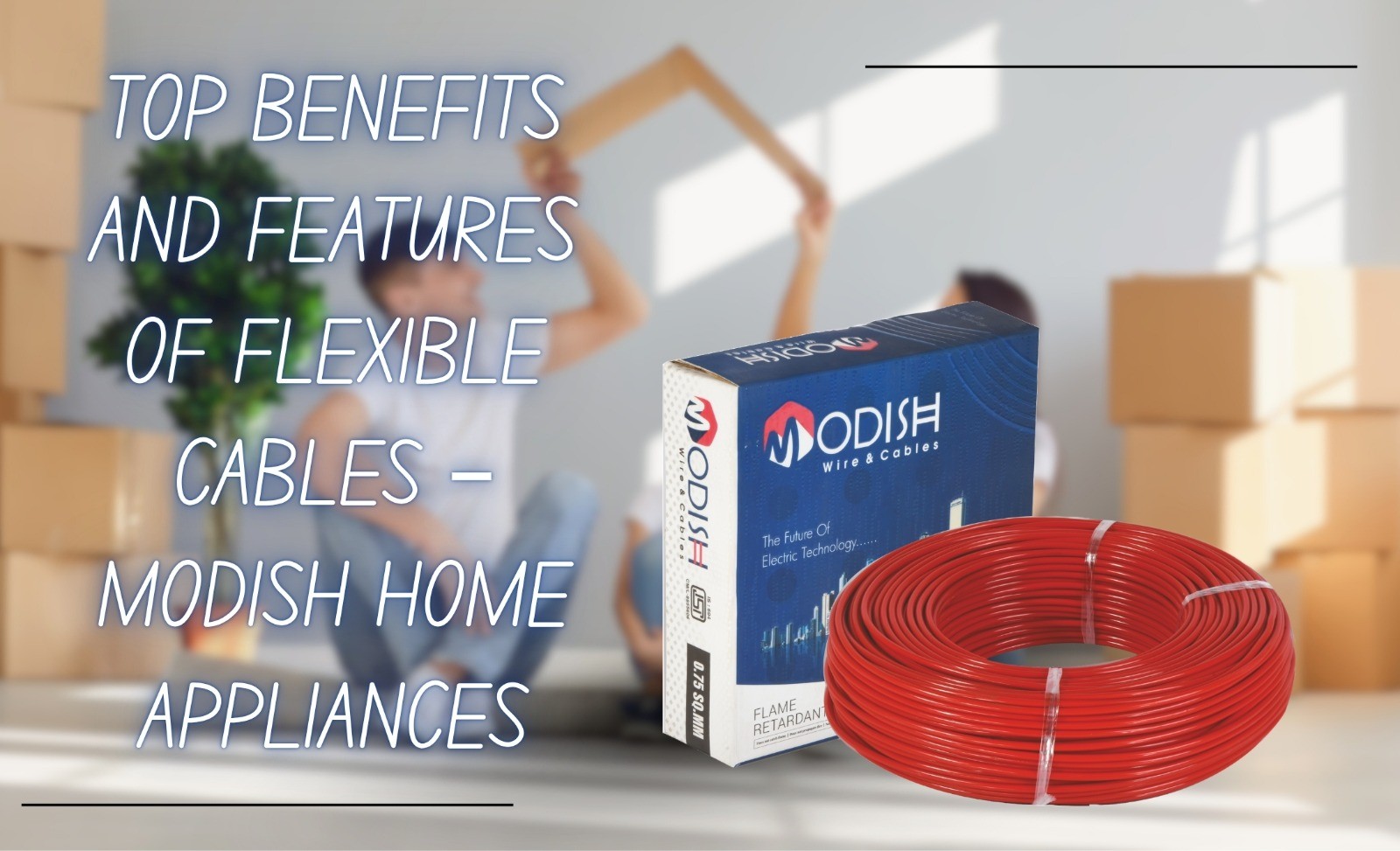
Flexible cables play a vital role in various industries where movement, adaptability, and durability are crucial. Whether in manufacturing, automation, or household appliances, the top benefits and features of flexible cables make them an essential component for efficient and safe operations.
Understanding the Top Benefits and Features of Flexible Cables
Before diving into specific applications, it’s important to understand the general benefits and features of flexible cables. These cables are engineered to withstand continuous bending, twisting, and movement without compromising their performance. The top benefits and features of flexible cables lie in their adaptability, longevity, and resistance to external stresses.
Key Benefits of Flexible Cables
1. Space Efficiency
Flexible cables can easily bend and maneuver through tight spaces. This space-saving feature makes them ideal for compact or complex installations.
2. Resistance to Harsh Environments
Another significant benefit of flexible cables is their resistance to heat, moisture, chemicals, and abrasions. This ensures consistent performance even in challenging environments.
3. Improved Safety
The benefits of flexible cables include improved safety due to reduced risk of breakage, electrical failures, and short circuits during repetitive motion or stress.
4. Cost-Effectiveness
Because of their durability and longevity, flexible cables often reduce maintenance costs and downtime, making them a cost-effective choice for businesses.
Noteworthy Features of Flexible Cables
1. High Flexibility
The standout feature of flexible cables is their high flexibility, which allows them to perform efficiently in dynamic environments with constant motion.
2. Compatibility with Automation
A key feature of flexible cables is their compatibility with automated machinery, robotic arms, and systems requiring constant movement.
3. Variety of Insulation Options
These cables come with various insulation materials to suit specific needs, whether it’s heat resistance, chemical resistance, or flame retardancy.
4. Customizability
Flexible cables offer customization in terms of length, thickness, and material, ensuring a perfect fit for specialized applications.
5. Enhanced Durability
One of the primary benefits of flexible cables is their superior durability. These cables are designed to endure mechanical stresses, reducing wear and tear and extending service life.
6. Lightweight Construction
Flexible cables are generally lighter than traditional alternatives, making installation and handling easier and more efficient.
Why Industries Prefer the Top Benefits and Features of Flexible Cables
Industries such as automotive, aerospace, manufacturing, and home appliances rely heavily on the benefits and features of flexible cables. These cables reduce downtime, enhance safety, and boost operational efficiency. From robotics to elevators and conveyor systems, the top benefits and features of flexible cables make them indispensable in modern infrastructures.
Applications Showcasing the Benefits and Features of Flexible Cables
- Robotics and Automation
- Manufacturing Equipment
- Medical Devices
- Renewable Energy Systems
- Aerospace Technologies
- Household Appliances
Each of these applications highlights how the top benefits and features of flexible cables contribute to reliability and efficiency.
Choosing the Right Flexible Cables for Your Needs
When selecting flexible cables, it’s important to consider your specific requirements, such as flexibility range, environmental exposure, load capacity, and compatibility with existing systems. A careful evaluation ensures you leverage all the benefits and features of flexible cables effectively.
Contact Us
Contact us today to find the perfect cables solution for your facility! For inquiries and expert consultation, reach out to us at
📞 +91 78678 66869
📧 modishenterprisess@gmail.com
Follow us on Instagram for the latest updates and offers: @modishhomeappliances
Generic FAQs on Flexible Cables
Q1. What are the top benefits and features of flexible cables?
Answer: The top benefits and features of flexible cables include durability, flexibility, space efficiency, resistance to harsh environments, and compatibility with dynamic applications.
Q2. How do flexible cables improve safety in industrial applications?
Answer: Flexible cables improve safety by reducing the risk of breakage, electrical faults, and mechanical failures in systems that involve constant movement.
Q3. Are flexible cables suitable for outdoor use?
Answer: Yes, many flexible cables come with weather-resistant and UV-resistant properties, making them suitable for outdoor applications.
Q4. What industries use flexible cables the most?
Answer: Industries like automation, manufacturing, robotics, aerospace, and medical devices heavily rely on the benefits and features of flexible cables for optimal performance.
Q5. How do I choose the right flexible cable?
Answer: Consider factors such as flexibility range, environmental conditions, electrical load, and compliance with industry standards to ensure you get the maximum benefits of flexible cables.